MARIANI’S
Virtual Gourmet
OCTOBER 18,
2026
NEWSLETTER
Founded in 1996
ARCHIVE
BADEN-BADEN BAEDEKER
By John Mariani
NEW YORK CORNER
VIV
By John Mariani
PEARL
CHAPTER FIVE
By John Mariani
VERY SUPERFICIAL
AMERICAN POP CULTURE IN THE SIXTIES
Chapter Two
By John Mariani
NOTES FROM THE WINE CELLAR
BIG PRICES FOR BIG CABS
By John Marian
BADEN-BADEN BAEDEKER
by John Mariani
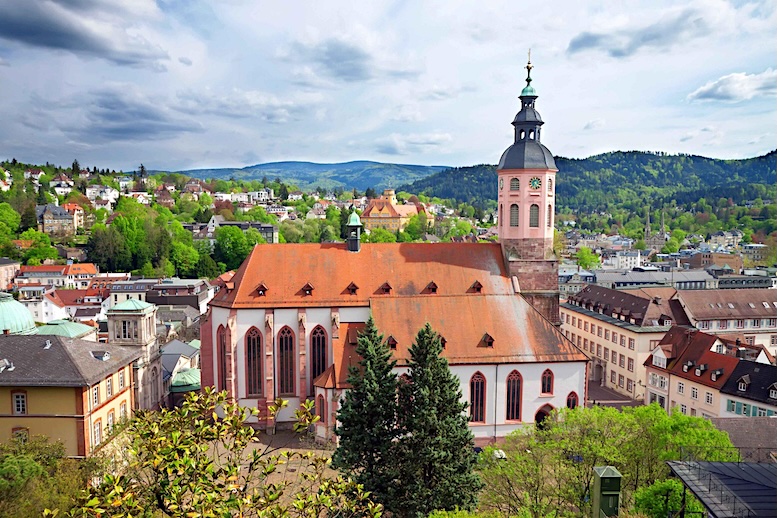
Baden-Baden is one of the
quietest cities in Europe, perhaps because it
residents are ever in awe of their good
fortune of living in the verdant Oos Valley
surrounded by the majesty of the Black Forest. In
homage, the city’s designers and architects
have always paid very close attention to
harmonizing the city to its natural beauty,
creating low-lying buildings within gardens
and alongside streams and rivers whose silent
movement makes this one of the most romantic
spots in Germany.
 Almost
untouched by the Second World War, Baden-Baden
was spared the destruction of any of its
monuments, including the charming buildings set
around Augustaplatz, Marktplatz and
Leopoldsplatz in the Old Town. In warm weather
the city is ablaze with gardens, in many of
which there are concerts and performances
throughout the summer and Christmas Market
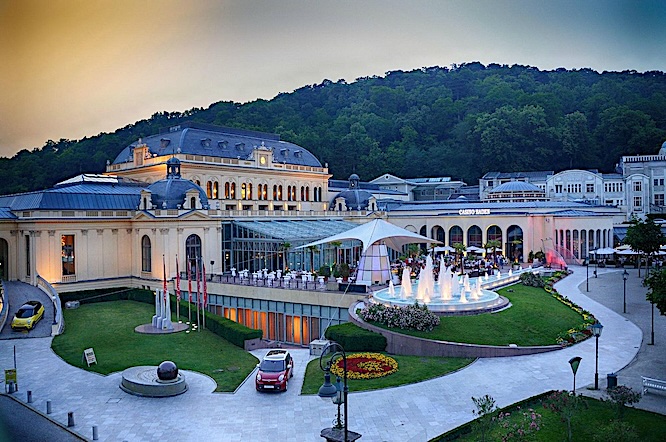
in winter. The Casino here is justly
famous for its baroque and rococo interiors as
well as its famous winner-and-loser pa. Of
course, the city’s fame grew from the
therapeutic properties of its thermal baths, now
housed in a modern structure of shimmering
beauty built on the idea of Rome’s Baths of
Caracalla.
Austrian Empress Sisi came here incognito,
bringing with her her own cow for its
milk. Right now, this month, the sales and
rating festival at the horse race course is an
international event.
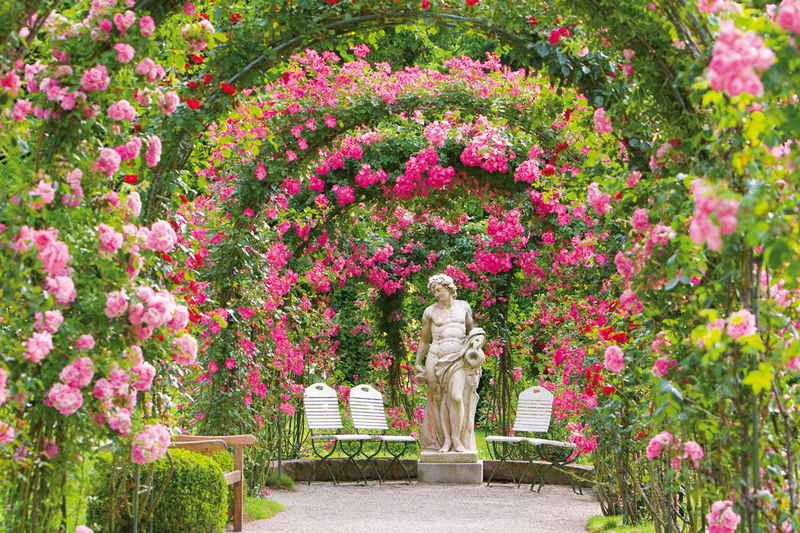
Everything in the city
depends on its flora, especially in its two
extraordinary gardens, the Gőnnerlage and the Rosenneuheut
gardens. The first was a gift from the coffee
king Hermann Seicken to his wife at the
beginning of the 20th century, and now boasts
over 10,000 rose bushes. The latter is where
international competition among growers come to
show off their flowers. All lead to the great
Black Forest, which is an ideal place for people
to go walking or, deeper in, trekking, visiting
vineyards and leading to the summit of Mount
Merkur, with its view over the city and
far into the forest. Spread throughout are a
number of charming local restaurants like Waldgashaus
Scherhoff––enchanting in winter––serving
both Austrian and Mediterranean fare, complete
with a beer garden, and Merkerstuble,
reachable by cable car, serving hearty local
food and five freshly baked pies each day.
 Like many German cities Baden-Baden is wholly
committed to the arts, especially music, and its
Festival Hall, Philharmonic Orchestra and
Theatre are internationally valued. The composer
Johannes
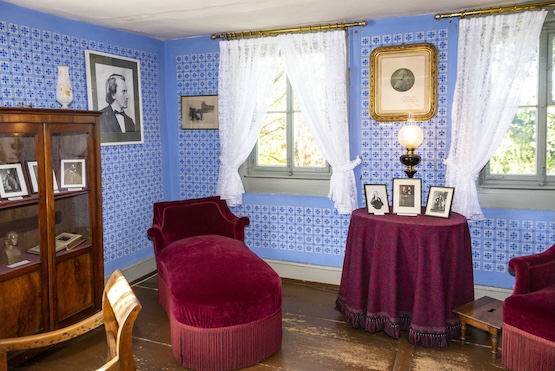
Brahms' "Little House on the Hill" is
open to the public, with its lovely Blue Room
intact. The City Museum traces
Baden-Baden's history back to the Roman times,
up to the present, while Museum LA8 is
dedicated to 19th century art and technology,
and the Museum Frieder Burda is a
strikingly modern white building known as the
Jewel in the Park, with artwork by those of the
classical modernist period from a private
collection, located on what is called the museum
mile.
For
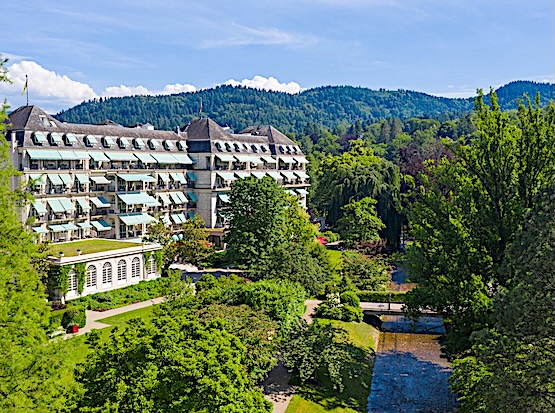
125 years now Brenner’s Park-Hotel & Spa
has
been identified with the good life in
Baden-Baden, and recent renovations have kept
it not only at that ranking , with the
addition of a state-of-the-art spa, where you
can enjoy a selection of saunas, take a plunge
into the icy Frigidarium pool, have yourself
stretched, pulled, walked on and colorized, as
well as getting a computer-generated inside
look at your feet that shows you how silly
your walk is.
Brenner’s began back in 1872 as the hotel
Stéphanie-les-Bains, opened by a master tailor
to Pforzheim royalty named Anton Alois Brenner.
Over the next two centuries the hotel was
expanded and rebuilt, including acquisition of
César Ritz’s Hotel Minerva next door. After
World War Two it changed names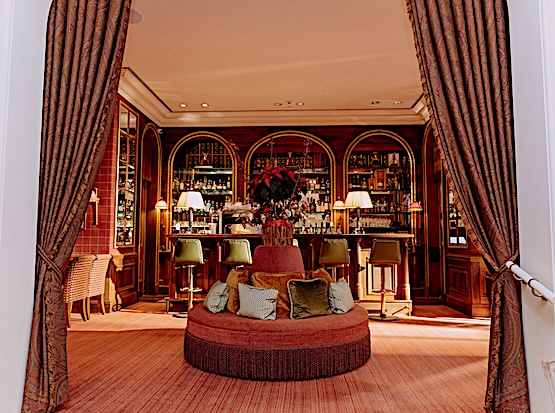 to Brenner’s
Park-Hotel & Spa, now owned by the Oetker
family. Thus,
what you see today is a fairly modern but still
classic-looking grand hotel that has been
modified numerous times over the last 125 years,
and the most recent renovations of the 100 rooms
and the new spa make this as grand a hotel as
any in Germany.
It is set just yards from the darling
river-run park and a few minutes’ walk from the
Old Town.
All of the hotel’s restaurants have also
be redone, starting with the beautiful Oleander
Bar, a cushy and comfortable spot to have
cocktails before dining at either the formal Park-Restaurant
or the more casual Wintergarten. The
Minerva Terrace is a wonderful place to
have a light lunch and afternoon tea.
Cognizant that no one
wants to dine on haute cuisine each day and
night, the Wintergarten’s menus 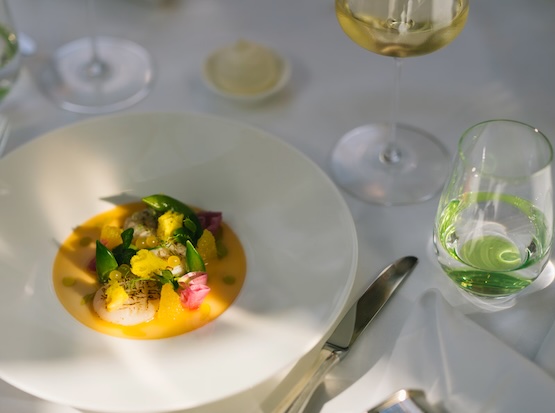 have
been lightened in richness and enlightened with
internationalism.
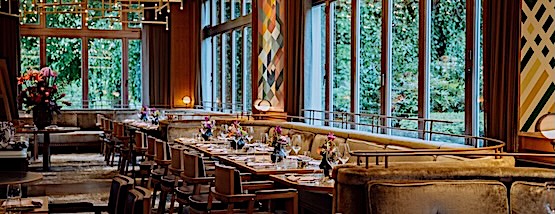
The setting is that of a conservatory,
with sliding windows open to Baden-Baden
serene air—which is plenty therapeutic for me.
The canopy ceiling has slow-turning fans, and
the black-and-white tile floor and wicker bistro
chairs make it all the more cheery, and little
red lights cast a sweet glow on the tables. The cuisine reflects
classicism wed to modernity, as can be
appreciated in seasonal dishes like turbot with
a caviar beurre blanc, potato mousse, and glazed
spinach; homemade Swabian ravioli with onion
sauce and salad greens; a porcini mushroom cake
with truffles and
 Roscoff
onions; and, of course, venison schnitzel with
cranberries. For dessert, by all means have the
hotel's signature apple pancakes with sour
cream, ice cream, or the Stéphanie ice cream
soufflé with raspberry coulis, which never leave
the menu.
Chef Farid Fazel is now
the chef at the hotel's Fritz & Felix
(left), a more casual but well-appointed
dining venue with leather banquettes,
overlooking the lake. Although not a vegetarian
or vegan restaurant, there are many
options in that regard on the menu, including
pumpkin, coconut soup with tangerine, chicory,
and a pumpkin seed granola; and truffled
pasta. For everyone else, there is wild pike
with a cabbage verjus and potato purée;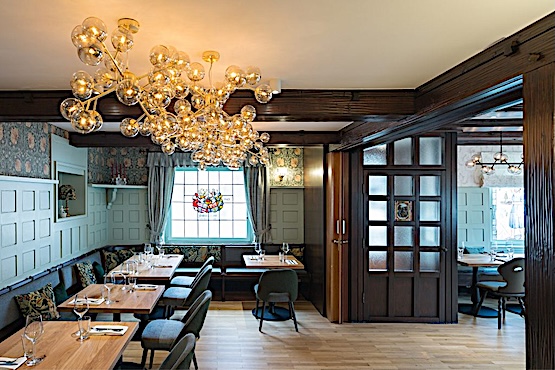 a
loin of venison with a cocoa and coffee rub, and
several cuts of beef from the grill here; the
dessert to have is the chocolate Bollenhut with
kirsch sorbet.
Just outside of town, in Neuwier, Weinstube
zum Engel is a bare-bones wine tavern
with robust German food like Tafelspitz
(boiled beef) along with a few Mediterranean
dishes, and it's a very good 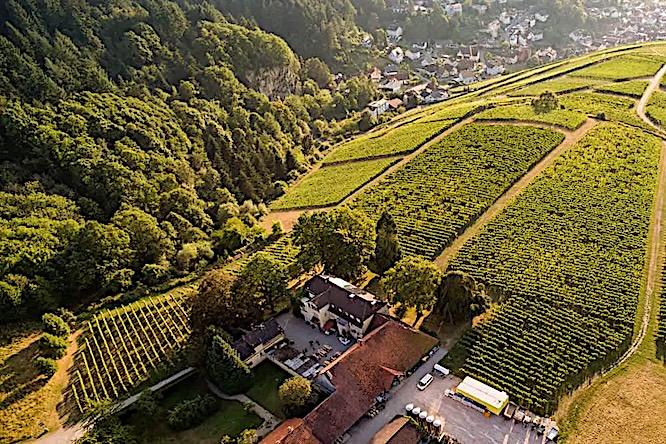 place to
taste a wide array of German, Austrian and
Swiss wines.
I
did, however, get out of Baden-Baden for a
breathtaking drive through the Black Forest,
swerving across hills dense with trees then
coming around a bend in view of valleys of
stunning beauty below. I
stopped for a wine tasting at a very modern
winery named Gut Nägelsförst (left)
that showed how underrated the wines of the
region are, including varietals like merlot and
cabernet sauvignon once Verboten
in these parts.
NEW YORK CORNER
717 9th
Avenue
212-581-5999
By John Mariani
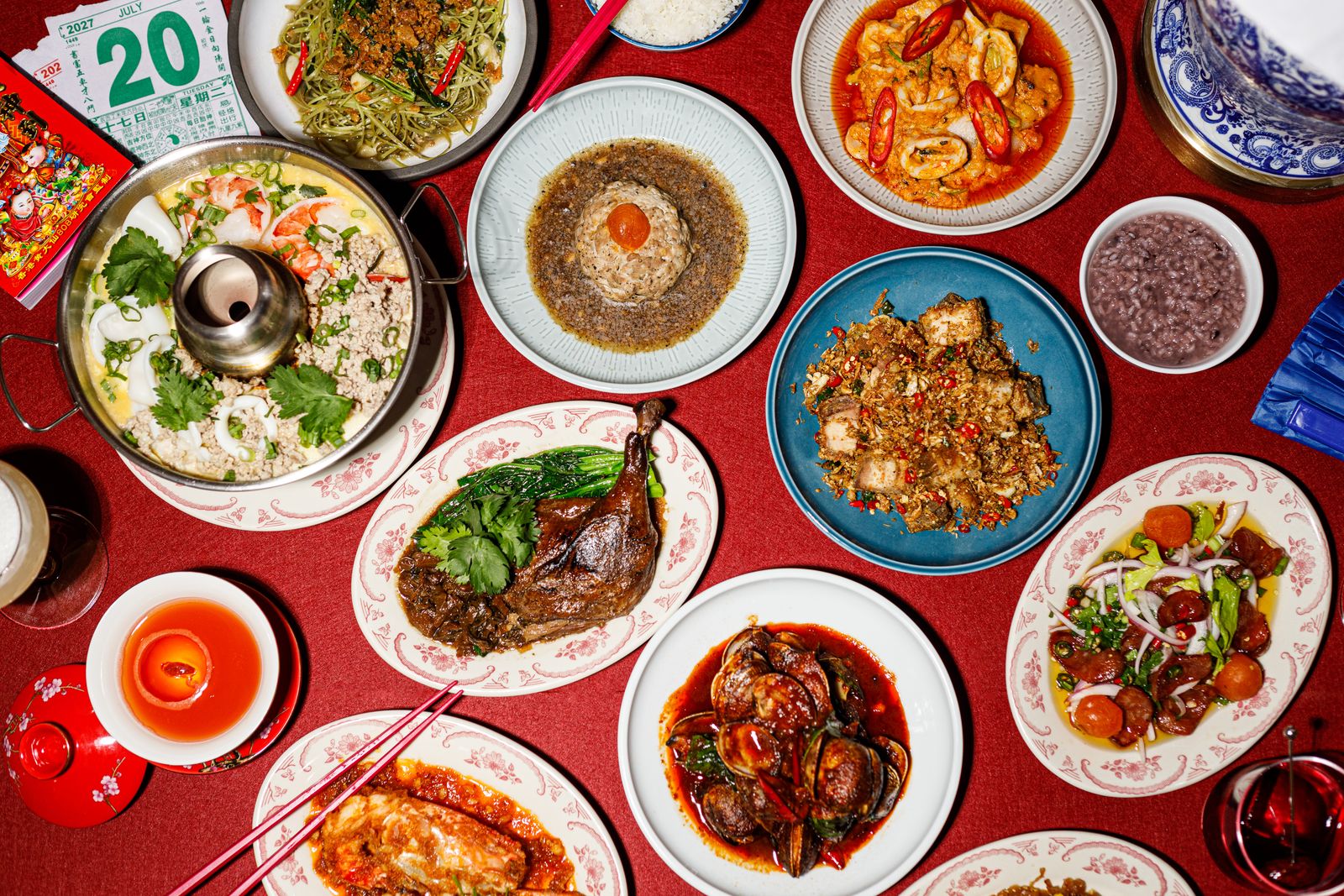
For 17 years now, the
Thai restaurant VIV in Hell’s Kitchen was among
the first to serve the street food of the north
and south. Now, re-located to the upper East Side,
everything has been revamped and the cooking,
under Executive
Chef-Founder
Verasak Sangsiri of the Kinnaree Hospitality Group
has taken on an 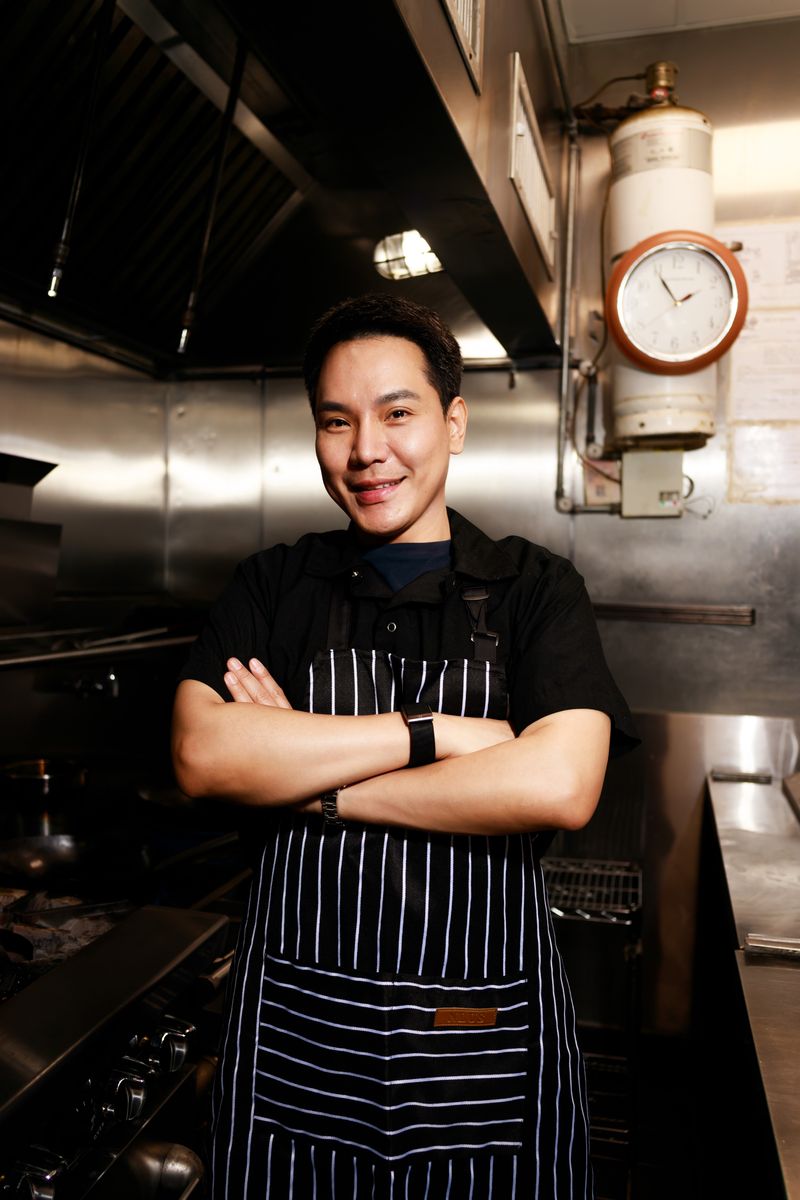 innovative approach, offering two
ways to enjoy an evening here: In addition to the
regional Thai street food:, VIV now offers and
NYC’s first late-night Khao Tom Feast in
the evening as well as partnering with Bangkok’s
renowned Mahaniyom cocktail bar to create an
avant-garde beverage program.
Verasak
explains,
"While a communal porridge feast might be new to
the American palate, this late-night Khao Tom Gui
custom has been an essential part of Bangkok's
lifestyle for generations," allowing guests to select
between
a foundational Steamed Jasmine Rice or a
comforting Pandan-infused Riceberry Porridge, kind
of like Chinese congee, then so select two dishes
to create a meal of balanced table of “bold,
savory, and refreshing flavors” that include Chinese
sausage
and salted eggs with spicy lime dressing;
stir-fried radishes with eggs); Manila clams with
chili jam) and squid in rich egg yolk sauce, all
for $35.
Verasak
grew
up eating and learning at his families, streetside
eateries in Thailand. He then trained as a pastry
chef and worked for Thomas Keller’s restaurant
group at Bouchon bakery.
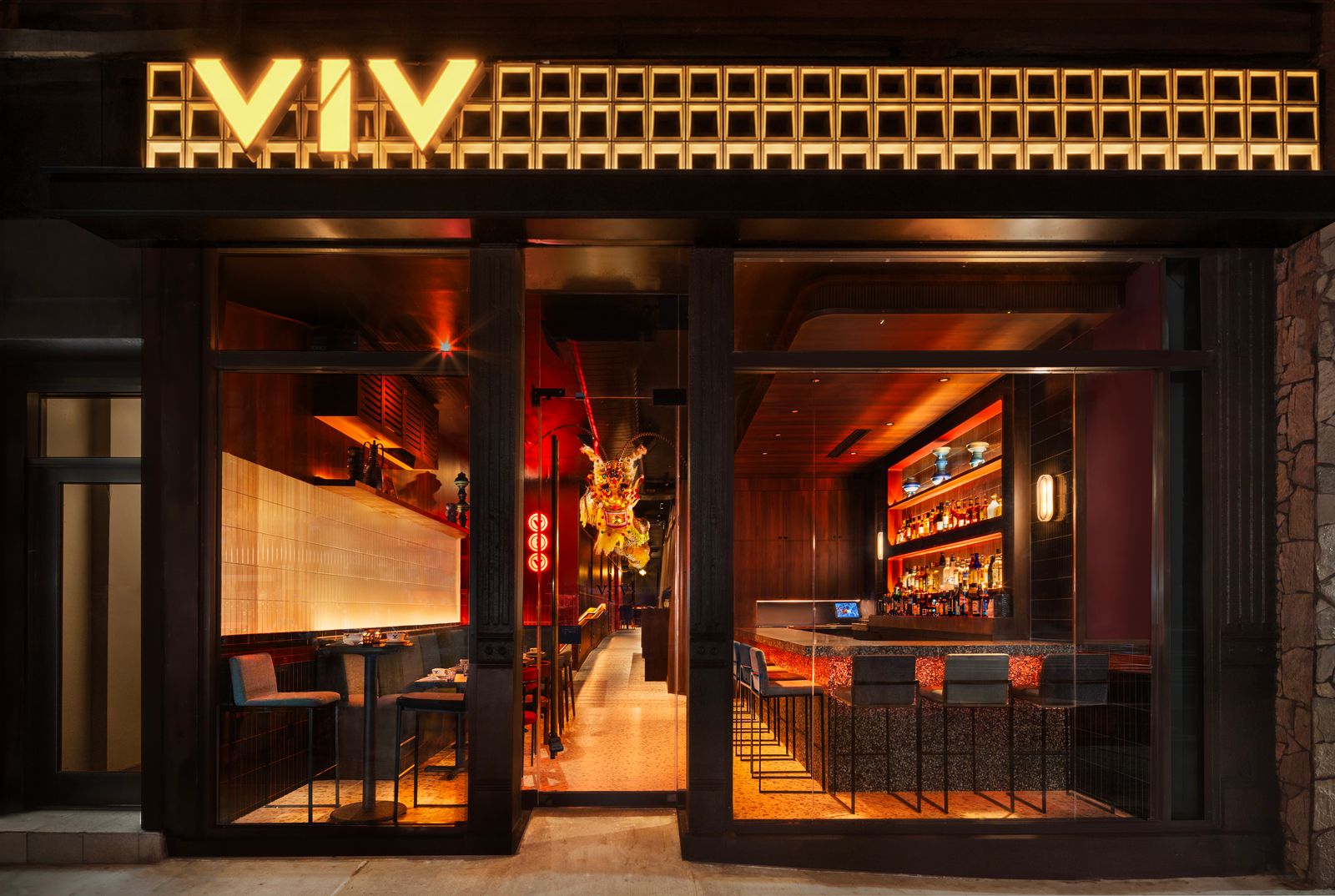
VIV’s
long 70-seat dining room with amber-backed bar is
done with light-flecked terrazzo flooring and
wood-paneled ceilings., so the noise level is not
too high. There is, too, wooden bench set against
a blue tile feature wall. Overhead hangs a
sculpted “Golden Naga” dragon, the most protective
spirit of Thai Buddhist culture.
We asked a Thai friend to
choose the most representative dishes, from a long
menu full of items I’ve never seen at other Thai
restaurants. You’ll be asked about your heat
tolerance, but contrary 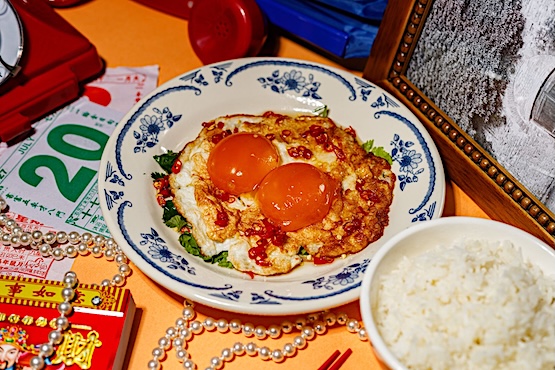 to
some people’s belief, Thai food is not always
highly spiced or incendiary; instead, the spices
and chilies are supposed to be balanced for
maximum flavor, not to burn your palate. Also,
everything is meant to be shared.
One of the cocktails brought
over from Mahaniyom Bangkok is the Goji Oolong
Daiquiri, which combines Oolong tea-aged rum and
Goji berry cordial, and it makes a good appetiite
boost to start the meal.
Eggs
figure into a good deal of Thai cuisine, and here
they do a wonderful crispy fried egg salad (right).
Seafood makes for good small plates here: Squid is
stir-fried and an egg yolk sauce, curry powder,
onion, celery and red chili, and succulent
stir-fried Manila 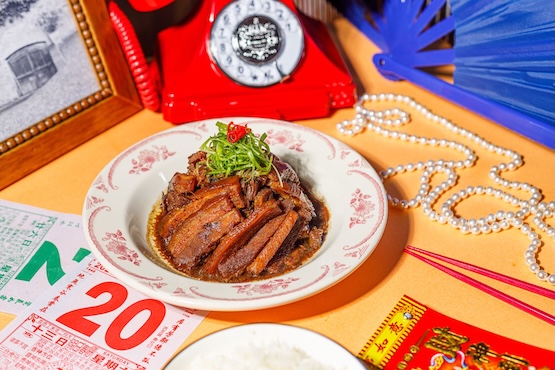 clams
are bathed in a roasted chili paste, garlic, and
basil.
Pad
see
eiw
is a hearty platter of wok-seared broad noodles
and egg with Chinese broccoli and your choice of
chicken, tofu or shrimp in a rich, dark soy sauce.
Minced pork is combined with stir-fried
eggplant.
One
of so many stand-outs here is the seared duck in a
red curry tamed with sweet pineapple, cherry
tomatoes, lychee, and basil. So is a big steamed
pork meatball in an assertive black pepper sauce
Luscious
braised
pork belly (above) gets a tang from pickled
mustard greens simmered in a soy-based broth
infused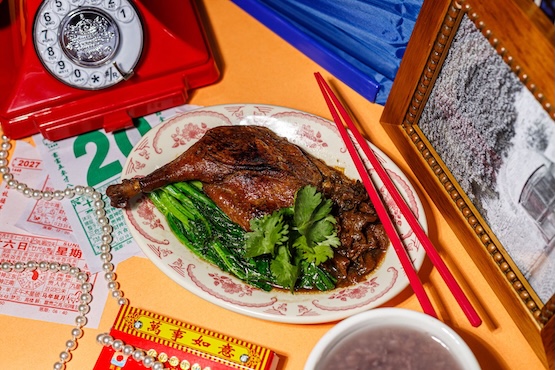 with five-spice powder. Five spices braised
duck leg simmered in five spice broth with
cinnamon, star anise, and soy sauce.
There's an oddly colored
dessert you should try, if you have room for it:
Butter toast with pandan custard.
The mark of a good Thai
restaurant is its variety, not the repetition of a
few dishes offered with three different proteins
and little chile pepper emblems next to them. Were
that the case, I probably wouldn’t eat at a Thai
restaurant more than once a month. But, as I
learned on a trip to Bangkok, every dish at every
meal was distinct from another. So, too, that is
the hallmark of VIV prepared with a street food
style that encourages you to eat with your
friends, maybe try the late night Khao
Tom Feast. Now, that is the kind of
Thai roadside food I crave once week, at least.
Open for lunch
and dinner daily. "The Khao Tom
Experience” is available late-night Fri. &
Sat., and brunch Sat. & Sun.
PEARL
The Mysterious
Death of Janis Joplin
By John
Mariani
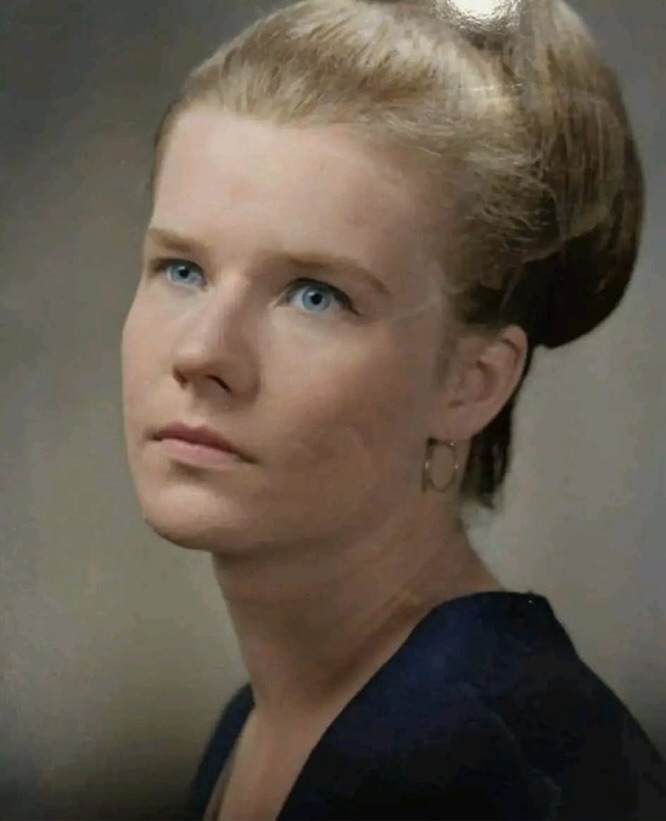
Tappy
Wright looked the perfect amalgam of a
Brit from the eighties and an American
snowbird: Stocky, paunchy, with a pudgy
face, swept-back dark hair with some gray
streaks that seemed locked in place, a
five-o-clock shadow at two PM. He wore a
loud plaid sports shirt and matching
shorts, rubber sandals and Ray-Ban
Aviators. He looked half-tough guy, half
like a guy who owned a chain of laundries.
His Geordie accent
was strong, pronouncing her name as
“Kye-dee.”
 “I ‘preciate yer flyin’ way down here
to see me,” he said. “Beautiful time of
year—any time of year, actually. When I’m
not ‘ere I’m in England, near where I grew
up. That’s on the water, too, but you
wouldn’t be swimmin’ in Whitley Bay this
time ‘o year. Where you from, Kye-dee, New
York?”
“Yes, the Bronx,” she said. “Ever
been through that neck of the woods?”
“I do know the Bronx,” he
replied, “that’s where doo-wop was born, as
well as rap music, in a basement on Sedgwick
Avenue, am I right?”
“You are indeed,” referring to a
community rec room where, on August 11,
1973 in an apartment house basement o
Sedgwick Avenue a Jamaican
immigrant named Clive Campbell, known as
DJ Kool, had presided over a house party
where he created the hip hop sound by
scratching the needle on records.
“I remember takin’ some o' my rock
clients up there just to visit the
birthplace of it all,” said Wright.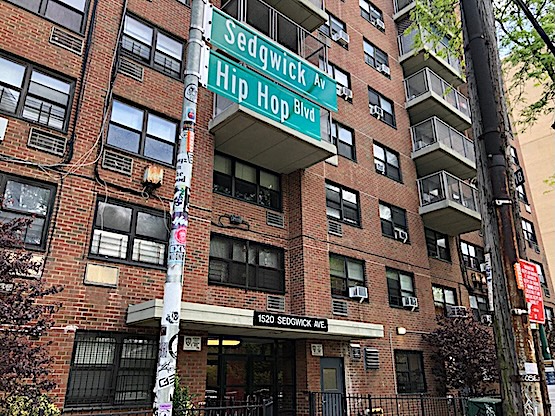 “Nothin’ to see really, but Pete Townshend
and Roger Daltry of The Who considered it
as a pilgrimage site. They also wanted to
see where Dion and the Belmonts sang doo-wop
on the Bronx street corners.”
“That’s in Belmont, not far from
where I live. So, you knew just about
everybody, I take it?”
“Everybody. Because
everybody crossed paths together, did gigs
together and, I don’t have to tell you,
attended a lot o' wild parties back then.
Ike and Tina Turner threw some o’ the
best, or at least the wildest.”
“And you got started by driving The
Animals around?”
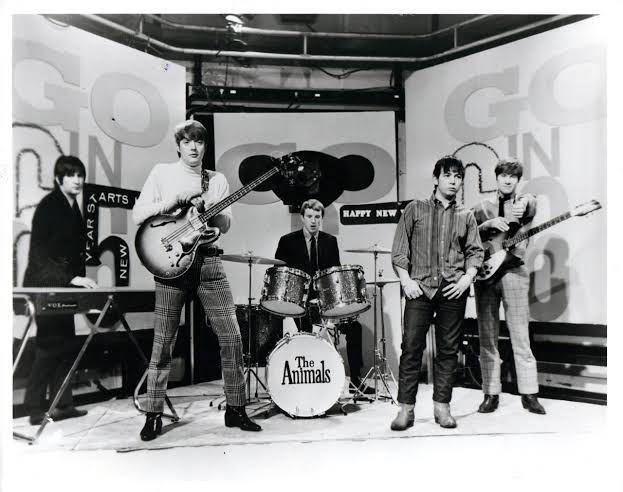 “Correct, they
couldn’t afford their own van, so I drove
‘em around in mine. They were the
headliners at the Club a-Go-Go, which I
was eventually able to buy until it all
came crashin’ down. I lost a bloody
fortune on the place. But before it did,
The Animals had taken off, they were on the
‛Ready Steady Go’ British TV show (left)
with The Beatles, then we were flyin’ to
do the ‛Ed
Sullivan Show’ one night and San Francisco,
on the opposite coast, the next night. I
also have great memories of meetin’ idols
like Jerry Lee Lewis, Chuck Berry and Carl
Perkins. They
weren’t popular in the States by then, so
they were so proud when you told ‘em how
much you liked their stuff.”
Katie was starting to sweat in the
heat and said, “Do you mind if we get out of
this sun? Maybe go to a coffee shop?”
“Ah, forgive me, darlin’, good place
right around the corner. Can even get a
decent cuppa tea.”
Once seated in a booth at the coffee
shop, Wright, without prompting, went into
his litany of the famous rockers he knew. Katie
said, “Do you mind if I record this?”
“Sure, go right ahead. For
posterity, y’know? Not many mates like me
still around to tell the truth ‘bout what
went on back then.”
“Including the death of Jimi
Hendrix?” she asked.
“Nobody left but me to tell that
tale. I’m goin’ to be puttin’ that story in
my book, gonna be called ‛Rock Roadie,’ and
it’ll be a great shock to a lot of people.”
“Meaning you don’t believe Hendrix
died from an accidental overdose?”
“Oh, he died of any overdose, all
right, but it was far from accidental.”
“You do know what the coroner’s
report said?”
“I damn well do, and it’s a cover up,
Kye-dee. Big cover-up! Like so many
of those rock stars who died young. The
officials never came to any conclusion, not
even after Scotland Yard looked into it. But
I know what happened, and I hope to live to
tell the rest of the world.”
“So, tell me.”
Wright poured some more tea for
himself and asked for a menu.
“You hungry, Kye-dee?”
“I could eat.”
Wright ordered the equivalent of an
English breakfast, with eggs, potatoes, a
sliced tomato and bacon. Katie ordered a
chicken sandwich.
 “First
of
all,” he began, “I have to watch what I say.
A lot o' people involved in Jimi’s death
don’t like me talkin’. And I don’t mind
sayin’ that I’ve been under surveillance,
especially after I married me wife, who is a
Polish princess. Me phones’ve been tapped.”
“I don’t understand,” said Katie,
“You were under surveillance because your
wife is Polish?”
“She comes from the Polish royal
class. Her parents seem to have owned half
the bloody country, so, o' course they were
booted out by the Communists, and they
escaped to the States.”
“So, the Russians have you under
surveillance?”
“They certainly used to, when it was
still the Soviet Union. Now it’s the CIA or
maybe MI6. Y’know, I was once approached in
a London pub by some mystery man who wanted
me to become a spy for the British. I told
him to fock off.”
Katie wasn’t sure she was confused, amused
or concerned that Tappy Wright had a good
deal of the conspiracist in him.
“And this is ongoing?” she asked,
trying to see a link to his career as a rock
manager.
“Ah, I don’t give a damn anymore. I’m
a toothless ole lion now, but I once knew
everything that went on. You do know that
John Lennon’s assassination was a CIA job,
don’t you?”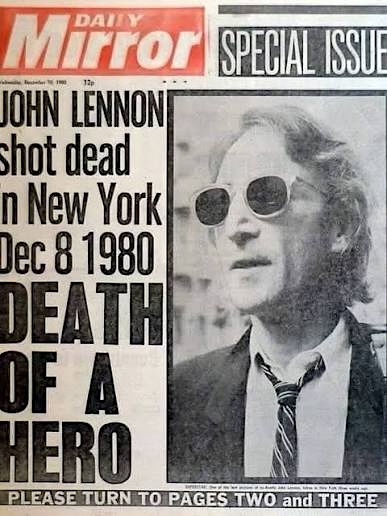
“Well, I’ve heard that from some
quarters but never saw any proof.”
“And you never will. But that’s another
story for another time. Maybe tied in.
But you want to know about Hendrix. You see,
I was trusted by everyone—the bands, the
industry people and the mobsters that were
always involved in the music business.
Believe me, it didn’t begin and end with
Sinatra. And, of course, the Black jazz
musicians even before the war. They
called using cocaine ‘kickin’ the gong
around.’”
He dug into his lunch, took a sip of
tea and called for another pot.
“So, like I said, I knew Jimi when he
was nothin’, but I knew he had somethin’.
He’d been playin’ the Chitlin Circuit in the
Isley Brothers’ back-up band, dropped out
and went to London. He wasn’t a big draw at
the a’GoGo, but he did record that song
‛Hey, Joe’ in London. That’s what got him
goin’. And he got bigger and bigger and
bigger, first in the UK, before anyone had
ever heard of him in the States. And I don’t
have to tell you how hard he liked to party.
When I met him he’d maybe drink a few beers
and take a toke on someone’s reefer, because
he really didn’t have the money to spend on
the stuff. But as he got bigger, ha!, then
he never had to pay for any drinks or drugs.
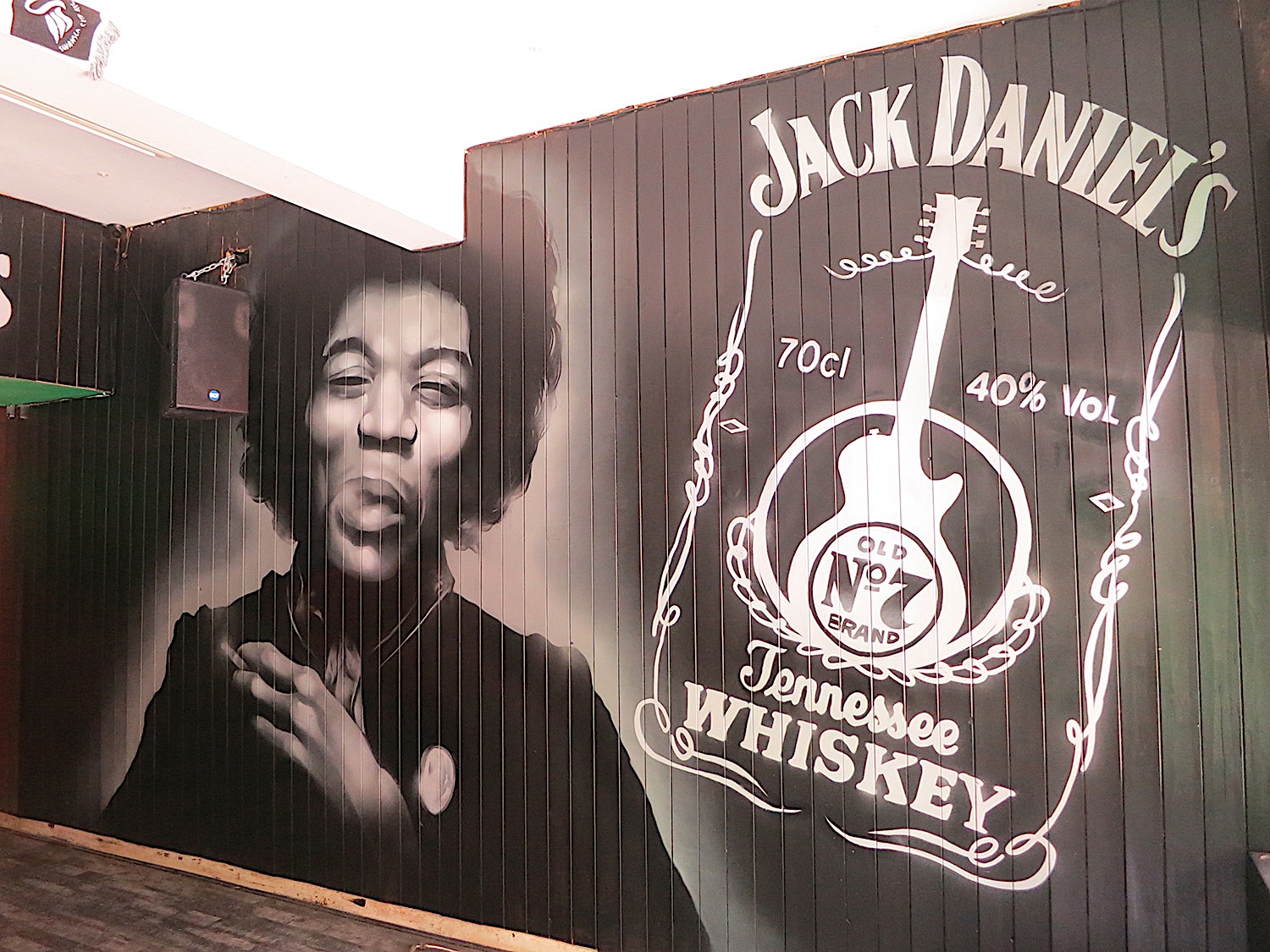 People just kept
stuffin’ his pockets with coke and handin’
him bottles of Jack Daniels. I never knew
why the rock crowd like Jack Daniel's, not
when there’s so much good Scotch around.
“Anyway, the more money Jimi made the
more it got spent, not only by him but by
his whole fockin’ entourage. Jimi never
cared. He assumed people were taking care of
his money, told him what limo to get into,
where the first class lounge was at the
airport, hand him the keys to the best suite
in the hotel. And you know what came next.”
Katie shrugged.
“Taxes,” said Wright, banging his
hand on the table. “Remember the Beatles
song, ‛Taxman’—‛Should
five percent appear too small, Be thankful I
don't take it all’? Well, the taxman was
takin’ a lot more than five percent outta
Jimi. But he had no idea what was going on.
He just wanted to get up onstage and play
his bloody guitar then party for the rest of
the night.”
“Go on.”
“Jimi had a manager named Mike
Jeffrey (right), gangster type, tied
to the mob in London.”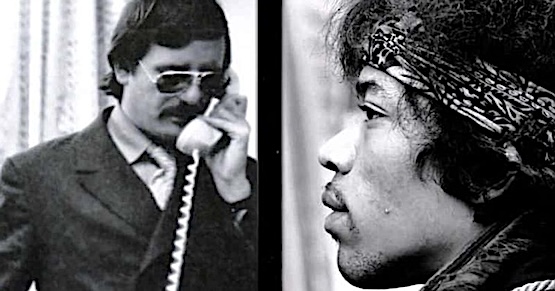
“Not the Mafia?”
“All of a piece, Ky-dee, all of a
piece. So, Mike had taken out an insurance
policy on Jimi’s life and Mike’s the
beneficiary—never told Jimi—for £2 million,
which is about what he owed the mob for a
loan to pay his and Jimi’s tax bills. And
right about that time, Jimi was gettin’
concerned his record label might drop him,
because he’d been gettin’ in drunken brawls
and was arrested for possession in Canada.
Word was out that the bust was planned and
that drugs were planted on him. But I don’t
think Jimi was too careful about keepin’ his
stash close.
“Now, Mike was also getting’ real
nervous that Jimi was goin’ to drop him,
which would really put him in trouble with
the mob. What happened next is a lot of
conjecture but here’s what I know.
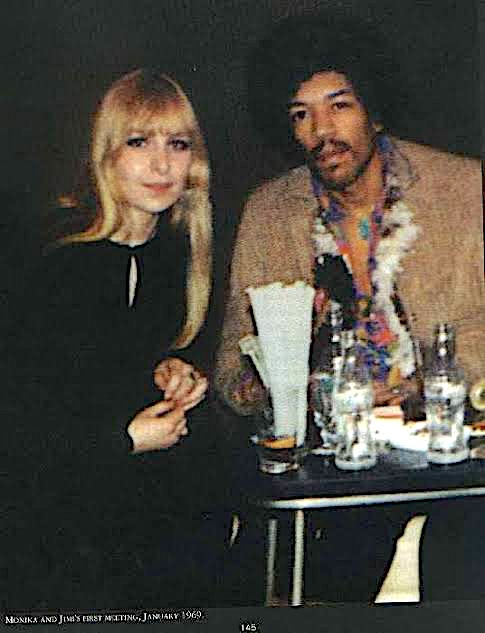 “In the fall of 1970 Jimi was hangin’
out in London with his girlfriend, name o’
Monika Danneman, who said that the night he
died—September 17, I’ll never forget it—she’d
made dinner at her flat and they had some
wine, then she drove him to a friend’s
apartment for Jimi to get drugs, then she
picked him up and they went back to her flat
around three in the mornin', talked until
seven, then fell asleep.”
“Both of them?” asked Katie.
“So she said. When she woke up around
eleven she found Jimi unconscious but
breathin’ so she called the ambulance and
they took him off to St. Mary Abbots
Hospital where he was declared dead ninety
minutes later.”
“So, where’s the mystery in all
this?”
“For starters, Monika failed to
mention to
the police that Jimi had taken nine sleeping
tablets, which was many times the
recommended dosage. Why the hell would he do
that? I mean, drug addicts need more and
higher doses of the shit to get ‘em high or
bring ‘em down, but Jimi wouldn’t have just
dropped nine tablets by the fockin’ handful.
Even if he wanted to kill himself, that’s a
dumb way to go about it. Accidental
overdoses are more likely to come from
shootin’ too much coke in yer veins. And
anyway, he puked some of them up, which was
what you’d expect.”
“So, what do you think did happen?”
asked Katie.
“I wasn’t there, but Mike Jeffrey
once got drunk as hell and told me he killed
Jimi by stuffin’ pills down his throat after
he’d passed out, lubricatin' him with red
wine.”
Katie was beyond puzzled. “Wait, this
is while Monika was lying there?”
“Monika’s not above suspicion
herself,” said Wright, “and she’s not the
most truthful person about anythin’ to do
with her and Jimi. Druggies see things their
own way.”
“So, you’re saying that this guy Mike
Jeffrey killed Jimi to collect on the
insurance policy so he could pay off the
money he borrowed from the mob?”
“Sounds about right to me,” he said.
“And, guess what? Three years later Mike was
dead, too.”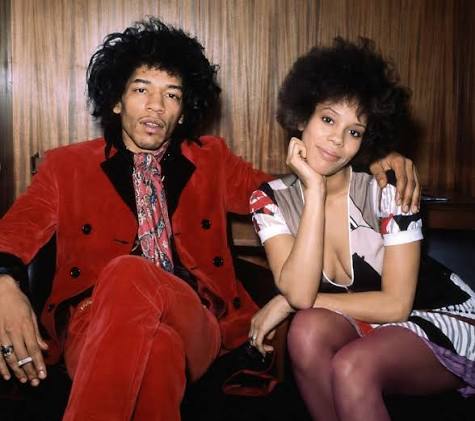
“And you really believe that’s what
happened?”
“I wasn’t there, Ky-dee, but Jimi’s
death was never really solved, was it? Open
verdict. No conclusion. Mike’s story seems
to make sense. Made it seem like an
overdose. Another thing: Jimi had a
girlfriend named Devon Wilson, (right),
nice girl but as jealous a banshee as I ever
met. She found out Jimi was sleepin’ with
another woman, she’d try to tear his eyes
out. So, when she heard about Jimi dyin’ and
his bein’ with Monika, she had a total
breakdown, gettin’ heavy into drugs. But she
told me she was goin’ to find out the truth
of how Jimi died. She sure as shit didn’t
believe anythin’ Monika had to say about it.
And I think she was askin’ 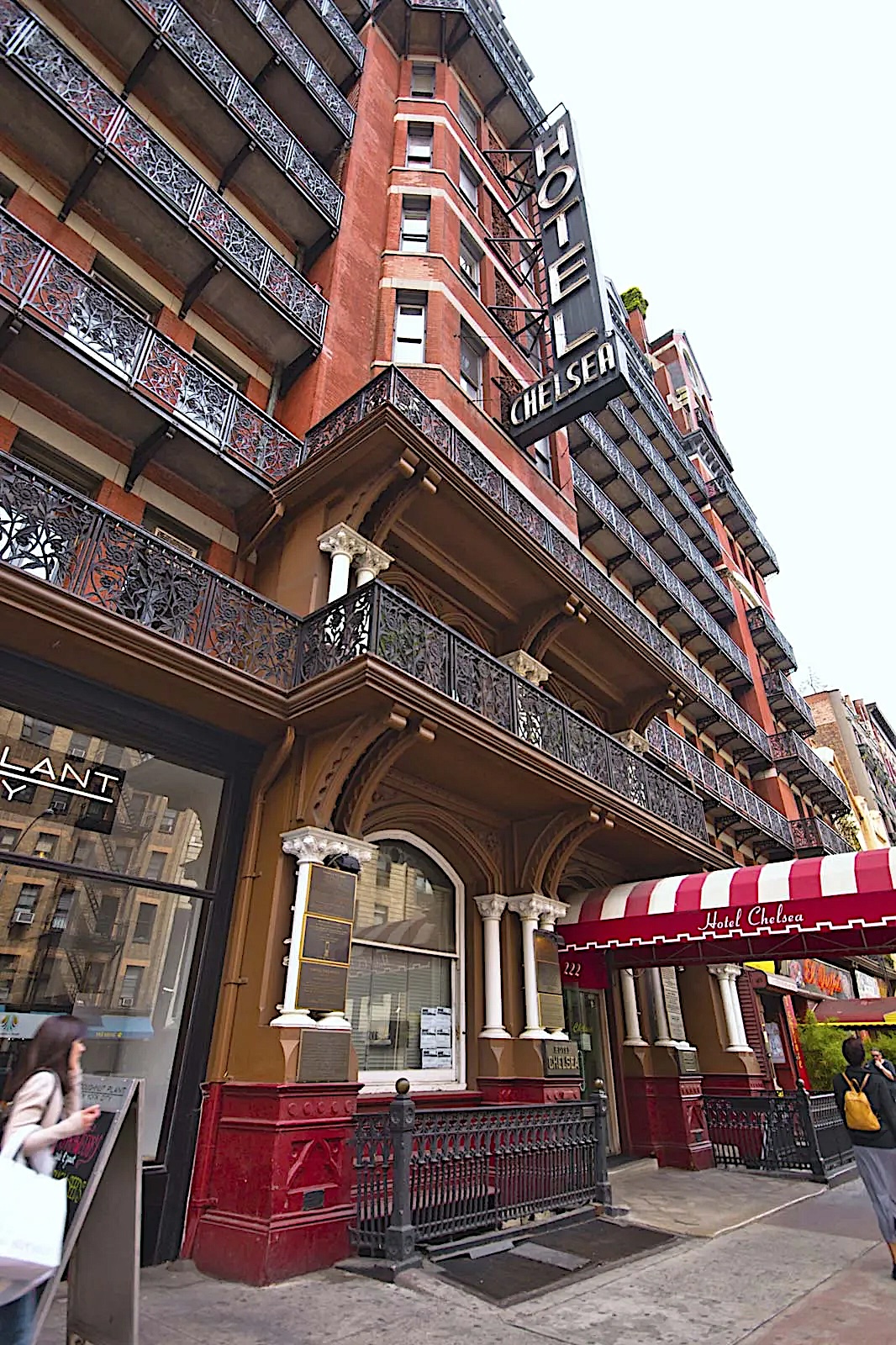 around and askin’ too
many questions about too many people like
Mike and his mob friends. That February, she
was stayin’ at the Chelsea Hotel in New York
and suddenly she just falls off the eighth
floor balcony. Ruled a suicide. That I
doubt.”
Wright had nothing more to say about
Hendrix’s death but kept on about all the
famous people he knew, whom they slept with,
what drugs they took, how they’d smash up
hotel rooms, all of which he considered a
great deal of fun. “A
lotta rock stars stayed
at the Chelsea, and it’s where Sid Vicious
confessed to killin' his girlfriend Nancy.
Some said it was a suicide pact, both of
them near death from drugs. You might want
to look into that, too.”
Katie
sensed there was nothing more to get out of
him, asked a couple more questions, and who
might still be alive who could corroborate
anything Wright had told her. She had a
picture in her mind of David wagging his
head.
❖❖❖
VERY
SUPERFICIAL
AMERICAN POP CULTURE IN THE SIXTIES
Chapter Two
By JOHN MARIANI

THE
FIFTIES
The characterization of the 1950s as being an uptight, conservative, stultifying and embarrassingly “square” seemed to begin at the stroke of midnight on January 1, 1960, and that simplistic idea has persisted ever since. Even if judged by style alone, the Fifties was an exceptionally rich era. As Richard Horn amply shows in his book
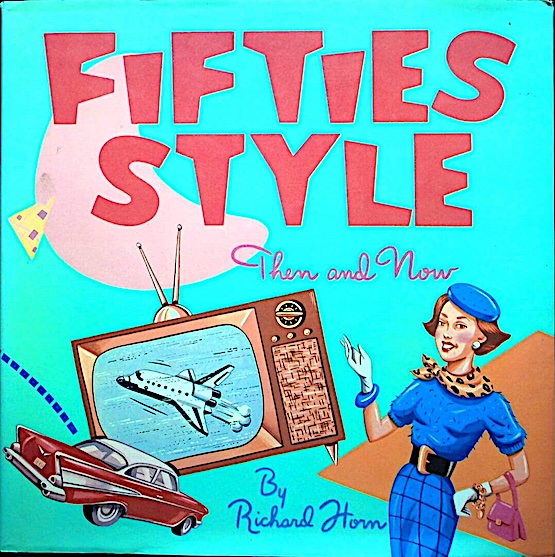 Fifties Style: Then and Now
(1985), there was enormous diversity in the period’s
architecture, auto design, furniture and fashion,
writing, "The past was past. And so designers,
along with everyone else, train their gators on the promising
future as well as the here and now – and designed
accordingly. Not all fifties designers, however,
regarded the present and the future from the same
perspective. Some are wildly optimistic – and that
optimism came through in their work. Others exercise
caution, expressed and rather conservative, the fresh
looking, designs. And then there were the men and
women who took a more pragmatic approach and created
highly practical, if unemotional designs."
Yet even when a revival of nostalgic interest
in the “Fabulous Fifties” style began in the 1980s a
good deal of it was still based in its being a kind
of goody, even innocent, geeky fun.
The
Sixties
most certainly did not invent the term “cool,” which
had its most vivid exemplars in post-war modern
jazz, poetry and movie stars like Marlon Brando and
James Dean. But in the Sixties there was an
increasing urgency to be or at least seem cool,
whose nuances changed all the time, from the
pacifying statement, “Be cool, man” to the
admonishment that certain attitudes or activities
were “definitely not cool, man.” There was
always the sense that “cool” was not an inclusive
term, instead being a characteristic or pose only a
few really had, usually with the connotation of
being something of an outsider. 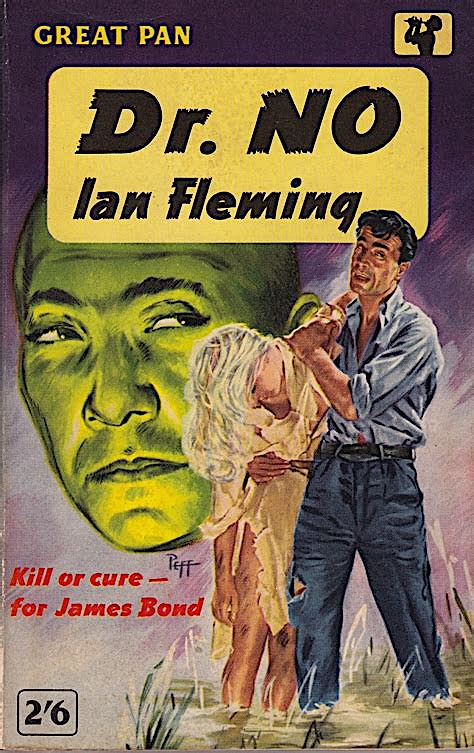 Even if James 007 Bond was
representative of an old British establishment’s
values, he always acted outside of the regulated
norms of his agency MI6, in addition to having
talents in weaponry, car driving and womanizing both
men and women of the ‘60s found entrancing. Indeed,
in the Sixties to say someone was cool was the
highest compliment possible, and not to be cool was
the very definition of a loser.
It is the natural order of things that what
is popular at the beginning of any decade is likely
to have been discarded within a year or two as thoroughly un-cool.
Like
a black hole, pop culture sucks in the stars, the
gases and the detritus, seemingly gone forever,
displaced by new stars and new galaxies. Only after
1970 did cable TV allow the music, movies and
television of the 1950s and 1960s to be revived,
while PBS stations built their major fund raising
around “nostalgia acts” that came back to perform
their hits from the earliest days of rock and roll;
cable
channels like TV Land and Nick at Nite played
episodes of sit-coms, westerns and crime series that
hadn’t been seen in thirty years. MTV pioneered rock
music videos as of 1981, and TCM, which debuted in
1994, opened up a trove of thousands of films going
back to the silent era and the Saturday morning
sci-fi action series.
Little of this was available in the ‘60s for
Americans to watch or listen to except on old
records 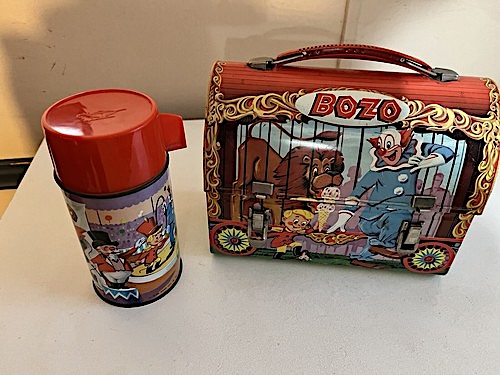 played by “Golden Oldies”
radio stations. Designed to be disposable, the pop
culture of the previous decade was boxed up and a
small part of it archived in the Smithsonian
Institute, including the 1950s TV costumes of Bozo
the Clown and Superman.
Almost no one but farmers and blue
collar workers wore bluejeans in the 1950s, but in
the next decade they became a de rigueur fashion
statement that replaced clamdiggers and chinos.
Abstract Expressionism wore out its welcome in favor
of graphic antiseptic Pop and Op Art. Americans lost
their taste for fins on their cars in favor of
smooth rides like the sporty Mustang or even a
vintage woodie station wagon.
 Those who turned fifteen in 1960 had scant
recollection of the global and national paranoia
that plagued the first half of the 1950s. The Korean
War raged on pointlessly; the H-bomb replaced the
A-bomb as a terrifying hobgoblin; demagogues like
Sen. Joe McCarthy tried to shred the very fabric of
American democracy, while others went on witch hunts
to find communists in
politics, the arts, movies and comic books.
But
by mid-decade such deeply divisive issues had
largely been tamped down. Eisenhower’s second term
was far more peaceful than his first, and Americans
who had lived through World War II had every right
to feel triumphant and proud of their booming
affluence, the real possibility of owning a house in
the suburbs and raising a family, having a big
refrigerator and freezer, a washing machine, a
dryer, at
least one, maybe two, cars in the driveway, plenty
of clothes in walk-in closets. Prices and inflation
remained 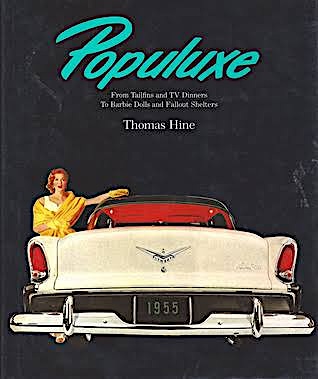 low
and employment high. It was a time of optimism
unbridled and well-deserved. It was also very
materialistic, an attitude Thomas Hine depicted in
his book Populuxe (1986): “The essence of
Populuxe is not merely having things. It Is having
things in a way that they’ve never been had before,
and it is an expression of outrage, thoroughly
vulgar joy and being able to live so well.”
Hine believes the turning point came in 1954,
after McCarthy had been censured and the Supreme
Court outlawed segregated schools; it was a year
when 1.5 million new homes were built and four
million babies born. In that year LIFE Magazine
proclaimed, “Never before so much for so few,”
despite a fast-growing population of 169 million, up
from 140 million in 1945.
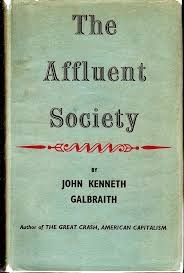 There were
social critics on the fringe, especially the “beat
poets” of the 1950s, who inveighed against the
obsession Americans had with materialism as a new
god, but the idea received more cogency when Harvard
economist John Kenneth Galbraith published The
Affluent Society in 1958, a bestseller in
which he criticized high rates of production as a
measure of prosperity, how the advertising industry
was convincing people to buy products they didn’t
need and that problems of poverty and economic
inequality persisted despite the U.S. being by far
the wealthiest nation in the world. Galbraith had a
ready wit and was able to break down complex ideas
into quotes everyone could understand, even find
funny: “The conspicuously wealthy turn up urging the
character-building values of the privation of the
poor,” he wrote, and, “Under capitalism, man
exploits man. Under communism it’s just the
opposite.” And, sounding like a lyric by Bob Dylan a
few years hence, “All successful revolutions are the
kicking in of a rotting door.”
But few Americans saw or even recognized such
rot in their midst, instead embracing all that gave
them the succor of stability with a cherry on top.
And mid-decade those cherries were all ripe for the
picking from a huge variety of trees that had taken
recent root, even some that threatened to dominate
and take over more stolid, dependable species.
The easiest and most
recognizable of such looming trouble was the
eruption of rock and roll, 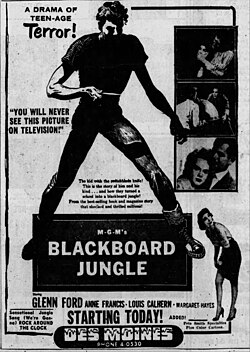 whose first anthem is
credited to Bill Haley and His Comets in 1954 when
they put out “Rock Around the Clock,” which soared
to Number One on the charts when used in the movie Blackboard
Jungle about urban juvenile delinquents. Haley
was already thirty years old when the song debuted,
and it had come out of a well-established
rhythm-and-blues tradition largely dominated by
Black performers. The success of the song was
triggered by its association with the then shocking
depiction of violent teenagers in black leather and
greased-back hair who departed radically from the
way teenagers acted in prior movies and on
television shows like “Father Knows Best,” “Ozzie
and Harriet” and “Leave It to Beaver.”
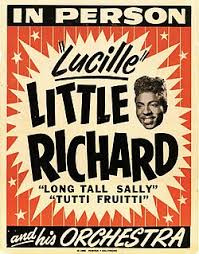 Haley had
already lit the fire a year earlier with a hit
called “Shake, Rattle and Roll” and kept up its
momentum in “Don’t Knock the Rock.” Other working
musicians of the time capitalized on Haley’s
success, bringing different styles to rock-and-roll,
including songs wholly designed to appall American
parents with names like Little Richard’s “Good
Golly, Miss Molly (She Sure Likes to Ball)” and
Jerry Lee Lewis’s “Great Balls of Fire.” In 1956 a
lightning rod of a country singer named Elvis
Presley brought his Nashville style of rock to the
fore along with a
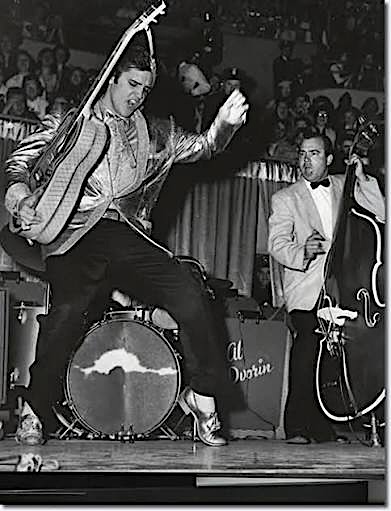 hip-swiveling
sexuality
and titles like “Baby, Let’s Play House” that drove
teenage girls to orgasmic fainting and their parents
to call their congressmen to have such sinful music
banned from the airways. It wasn’t; it only grew in
numbers and profitability, displacing the post-war
sounds of crooners and balladeers, many of whom
tried to save their waning careers by hopping on the
rock bandwagon and covering some of the most
suggestive songs.
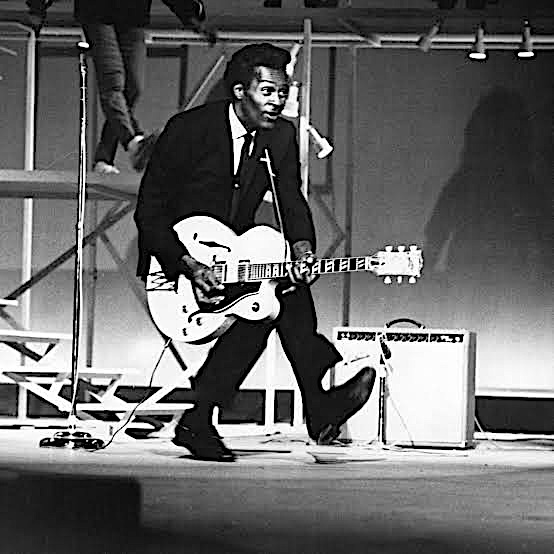 It was also
troubling to adults that much of the music was
either derived from or performed by Black artists
who, while never reaching the success or paychecks
of their white counterparts, were overwhelmingly
embraced by white kids titillated by Chuck Berry’s
“Sweet Little Sixteen.”
Sweet Little Sixteen
She's just got to have
About half a million
Framed autographs
Her wallet's filled with pictures
She gets 'em one by one
Become so excited
Watch her look at her run, boy
Oh, mommy, momm
Please, may I go?
It's such a sight to see
Somebody steal the show
Become so excited
Oh, daddy, daddy
I beg of you
Whisper to mommy
It's all right with you.
This
was definitely not the music of a complacent, up
tight, conservative majority.
❖❖❖
NOTES FROM THE WINE CELLAR
BANG FOR THE BUCK?
By John Mariani
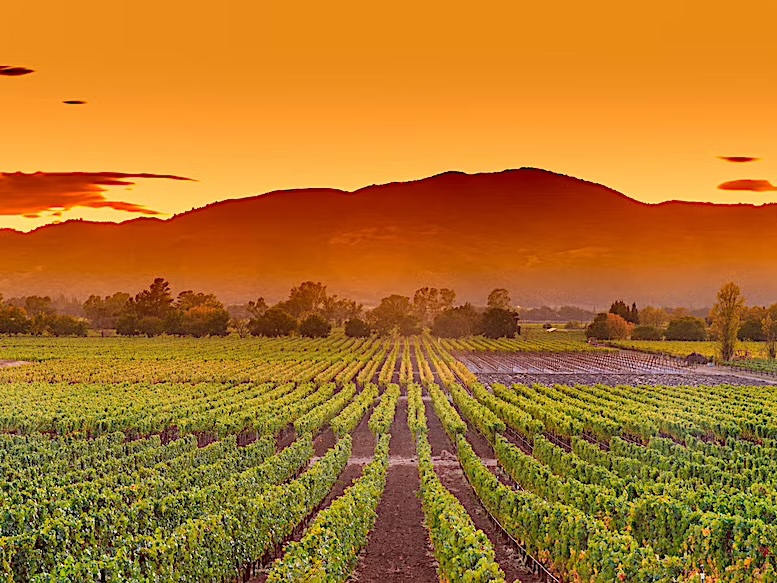
Despite the falling demand for wine, especially those bottles between $20 and $40, many Napa Valley wineries are continuing to make big bold Cabernet Sauvignons that may not be ideal to drink for years. They cost the fortune, and you'll have to decide for yourself if they are worth the weight. If you are, here are some I'd recommend right now.
SHAFER VINEYARDS 2023 Hillside
Select ($395). Just released, this is one of winemaker
Elias Fernandez’s proudest efforts over 40 years for
a wine Shafer (now on by the Korea’s Shinsegae
Property since 2022) has long touted as its flagship
wine. Culled from a
collection of small vineyard blocks planted on our
rugged, amphitheater-like estate of bedrock and
volcanic soil, it receives the ideal amount of
sun. It has a very fine structure and time will
only bring it into finer focus. The bottles are
available in sets of three or six.
CAKEBREAD makes
three different Cabernet Sauvignon in the Napa
Valley: one is called Dancing Bear from Howell
Mountain that is available only to wine club
members; the Benchland bottling ($150), whose grapes
grow on sloping hills between the valley and the
mountains, is
from two sites from Rutherford; and is 100% Cab, so
its tannins provide depth and the fruit is forward;
and
Viewfinder Suscal Mountain ($160) is another
expression with considerable dark fruit up front and
pleasing herbaceous notes to follow. Vine Hill
Vertical Collection ($540). Cakebread offers
this gift set of three vintages (2013, 2015, and
2018) from Vine Hill Ranch vineyards near Oakville,
and they say these wines will never be made again.
LE
VIGNE CABERNET SAUVIGNON DI DOMENICO 2022 ($54).
This Paso Robles winery was founded in the early
1960s by\, when Sylvia Filippini’s family
established the property as a working cattle and hay
ranch, planting its first Cabernet Sauvignon and
Chardonnay vines in the early 1980s, now overseeing
113 acres of estate vineyards, and the Domenico is
95% Cabernet Sauvignon and 5% Cabernet Franc. It’s a
powerful Cab and the 14.8% alcohol is high. The
weather allowed for concentrated berries but low
yield.
JUGGERNAUT
NAPA VALLEY RESERVE 2023 ($30). Sourced from
Bogle Family vineyards throughout St. Helena, Oak
Knoll, Atlas Peak, and Rutherford, this 100%
Cabernet Sauvignon is an impressive blend that
allows for complexity and harmony of flavors,
tannins and acid. It spends 11 months in new French
oak barrels. And the producers say proudly that the
mountainous terrain “test both the grower and the
vine.” The bottle labels are very beautiful, by the
way, showing fierce animals that express the spirit
of the winery Itself. The price is remarkable for a
wine of this quality.
HESPERIAN PAWA KITOKO 2022 ($150). "Pawa" is a Wappo Native American word that means “One,” a blend of grapes from the rocky soil of Kitoko Vineyard on Atlas Peak, complemented by select barrels from the Eagle's Nest Vineyard in Napa. “Our objective was simple, to capture the character of Napa Valley, not just a single vineyard or appellation,” explained Eric Aafedt, the Vice President of Winemaking. “This wine doesn’t represent just one place – it represents Napa Valley as a whole. Every appellation contributes its own character, and together they create a Cabernet for Juggernaut that’s more complete than any one component could have been on its own.” Each appellation was aged in separate barrels, to allow each to develop its own character before blending, aging for 30 months in French oak, emerging at 14.5% alcohol. Only 97 cases were made.
HESPERIAN ANATOMY NO 1 2022 ($24) is 100% Cab had an ideal13.9% alcohol level that allows for good❖❖❖
 STAIN REMOVER? EIGHT LORDS A'-LEAPING?
"'The
Balvenie 88 was bottled at 86.4 proof, “the perfect
balance between the flavor of the spirit and cask,'
McKechnie says. When I finally take a sip, I’m not
surprised to find the whisky transcendent. The nose
opens on honey, melon, and hay. Behind them, green
apple and toffee awaken, old oak arises from
underneath, and a floral lift runs over the top. On
the palate, I taste sweetness and salinity before
warm leather and oxidized, sherried oak take over. A
light pop of peat blossoms mid-palate then fades
quickly back into honey. The finish carries
petrichor and moss and a honey-nut-cereal note that
outlasts everything else. What’s most surprising is
how fresh and bright the liquid is. It’s jammy and
juicy. The age is detectable, though it’s never
overly tannic. It drinks with a vibrancy that the
85-year-old Glenlivet did not possess when I tried
it.”––Sean Evans, “I
Tasted the Oldest Scotch Whisky Ever Released. It
Completely Surprised Me,” Esquire (10/1/26).
❖❖❖
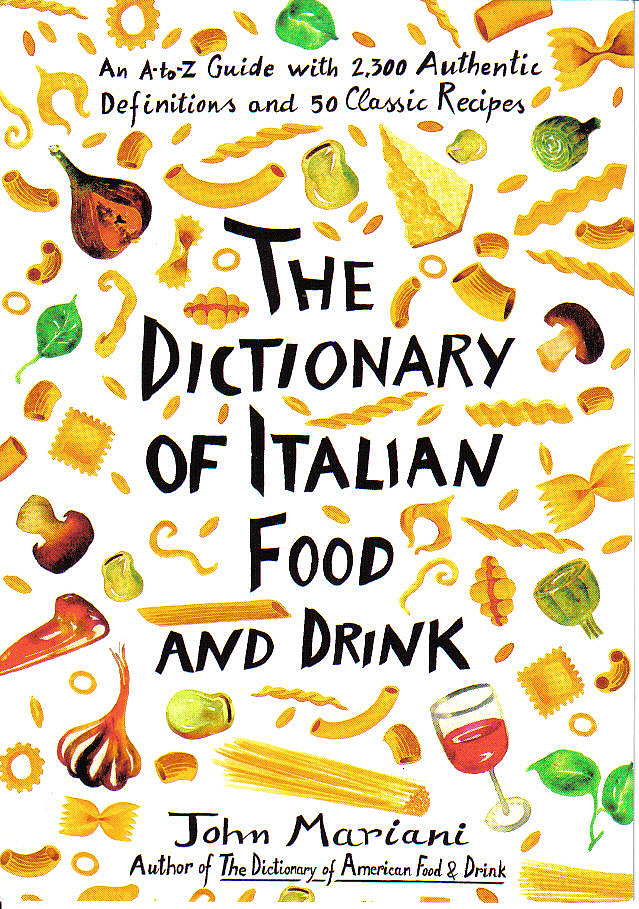
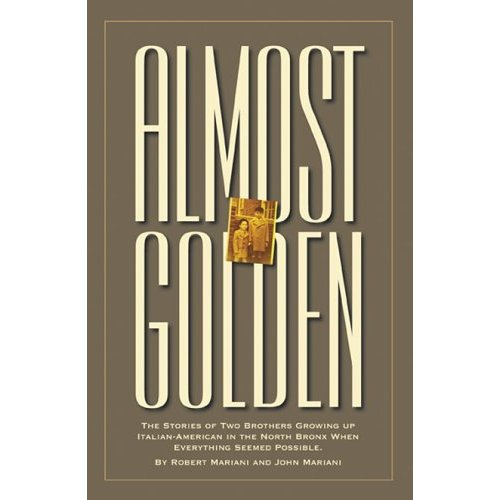
Any of John Mariani's books below may be ordered from amazon.com.
 The Hound in Heaven
(21st Century Lion Books) is a novella, and
for anyone who loves dogs, Christmas, romance,
inspiration, even the supernatural, I hope you'll find
this to be a treasured favorite. The story
concerns how, after a New England teacher, his wife and
their two daughters adopt a stray puppy found in their
barn in northern Maine, their lives seem full of promise.
But when tragedy strikes, their wonderful dog Lazarus and
the spirit of Christmas are the only things that may bring
his master back from the edge of despair.
WATCH THE VIDEO!
“What a huge surprise turn this story took! I was completely stunned! I truly enjoyed this book and its message.” – Actress Ali MacGraw
“He had me at Page One. The amount of heart, human insight, soul searching, and deft literary strength that John Mariani pours into this airtight novella is vertigo-inducing. Perhaps ‘wow’ would be the best comment.” – James Dalessandro, author of Bohemian Heart and 1906.
“John Mariani’s Hound in Heaven starts with a well-painted portrayal of an American family, along with the requisite dog. A surprise event flips the action of the novel and captures us for a voyage leading to a hopeful and heart-warming message. A page turning, one sitting read, it’s the perfect antidote for the winter and promotion of holiday celebration.” – Ann Pearlman, author of The Christmas Cookie Club and A Gift for my Sister.
“John Mariani’s concise, achingly beautiful novella pulls a literary rabbit out of a hat – a mash-up of the cosmic and the intimate, the tragic and the heart-warming – a Christmas tale for all ages, and all faiths. Read it to your children, read it to yourself… but read it. Early and often. Highly recommended.” – Jay Bonansinga, New York Times bestselling author of Pinkerton’s War, The Sinking of The Eastland, and The Walking Dead: The Road To Woodbury.
“Amazing things happen when you open your heart to an animal. The Hound in Heaven delivers a powerful story of healing that is forged in the spiritual relationship between a man and his best friend. The book brings a message of hope that can enrich our images of family, love, and loss.” – Dr. Barbara Royal, author of The Royal Treatment.
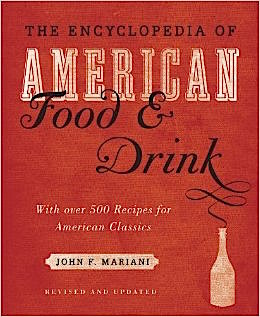 |
The Encyclopedia of American Food and Drink by John F. Mariani (Bloomsbury USA, $35) Modesty forbids me to praise my own new book, but let me proudly say that it is an extensive revision of the 4th edition that appeared more than a decade ago, before locavores, molecular cuisine, modernist cuisine, the Food Network and so much more, now included. Word origins have been completely updated, as have per capita consumption and production stats. Most important, for the first time since publication in the 1980s, the book includes more than 100 biographies of Americans who have changed the way we cook, eat and drink -- from Fannie Farmer and Julia Child to Robert Mondavi and Thomas Keller. "This book is amazing! It has entries for everything from `abalone' to `zwieback,' plus more than 500 recipes for classic American dishes and drinks."--Devra First, The Boston Globe. "Much needed in any kitchen library."--Bon Appetit. |
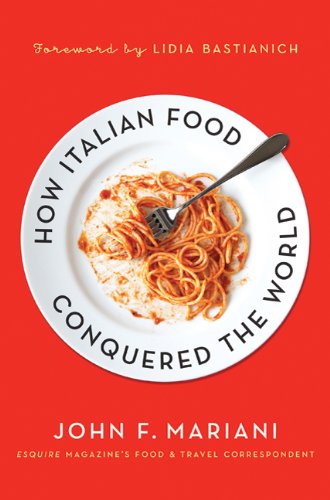
"Eating Italian will never be the same after reading John Mariani's entertaining and savory gastronomical history of the cuisine of Italy and how it won over appetites worldwide. . . . This book is such a tasteful narrative that it will literally make you hungry for Italian food and arouse your appetite for gastronomical history."--Don Oldenburg, USA Today. "Italian
restaurants--some good, some glitzy--far
outnumber their French rivals. Many of
these establishments are zestfully described
in How Italian Food Conquered the World, an
entertaining and fact-filled chronicle by
food-and-wine correspondent John F.
Mariani."--Aram Bakshian Jr., Wall Street
Journal.
"Equal parts
history, sociology, gastronomy, and just
plain fun, How Italian Food Conquered the
World tells the captivating and delicious
story of the (let's face it) everybody's
favorite cuisine with clarity, verve and
more than one surprise."--Colman Andrews,
editorial director of The Daily
Meal.com. "A fantastic and fascinating
read, covering everything from the influence
of Venice's spice trade to the impact of
Italian immigrants in America and the
evolution of alta cucina. This book will
serve as a terrific resource to anyone
interested in the real story of Italian
food."--Mary Ann Esposito, host of PBS-TV's
Ciao
Italia. "John Mariani has written the
definitive history of how Italians won their
way into our hearts, minds, and
stomachs. It's a story of pleasure over
pomp and taste over technique."--Danny Meyer,
owner of NYC restaurants Union Square
Cafe, The Modern, and Maialino.
|
 |
 |
 |
 |
 |
 |
MARIANI'S VIRTUAL GOURMET
NEWSLETTER is published weekly. Publisher: John Mariani. Editor: Walter Bagley. Contributing Writers: Christopher
Mariani, Misha Mariani, John A. Curtas, Gerry Dawes, Geoff Kalish.
Contributing
Photographer: Galina Dargery. Technical
Advisor: Gerry
McLoughlin.
If you wish to subscribe to this
newsletter, please click here: http://www.johnmariani.com/subscribe/index.html
© copyright John Mariani 2026